(as though it were written by a poetic flâneur tracing the scent of madness through time)
Michel Foucault’s Madness and Civilization is less a history than a philosophical excavation of Western attitudes toward madness. It follows the archaeology of madness—from medieval lepers to Enlightenment reason, from Bedlam to Freud—not in search of clinical truth, but of power’s costume changes. Madness, for Foucault, is not merely the absence of reason. It is a mirror, cracked and hidden, in which a society sees what it most fears about itself.
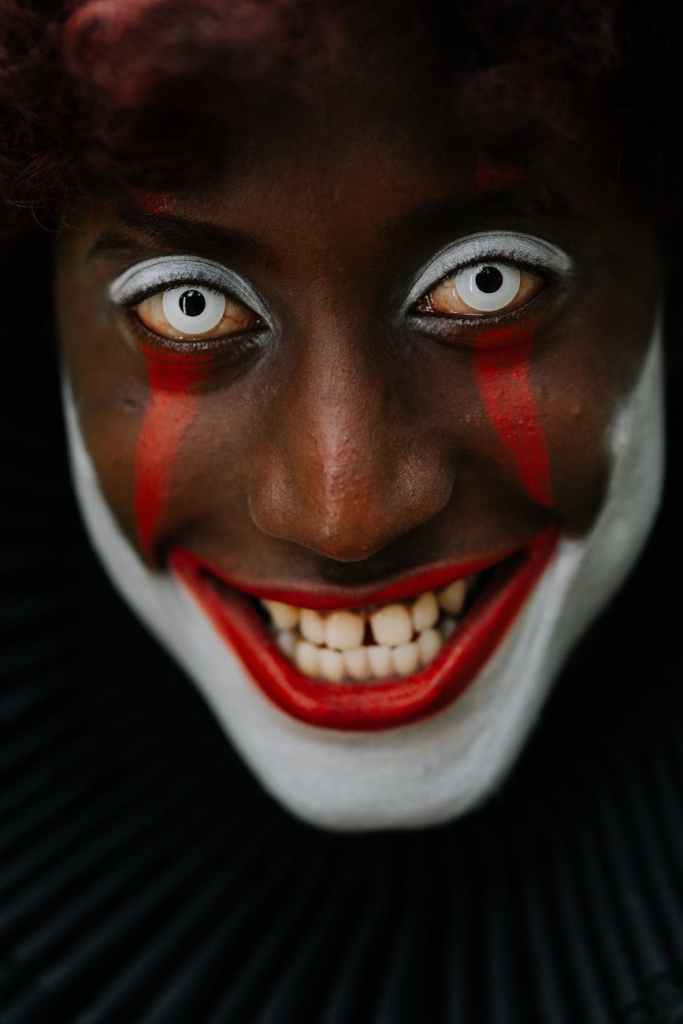
The book is haunted by a question that is never asked aloud:
“Who has the right to say who is sane?”
Foucault does not offer an answer. Instead, he offers eras:
- In the Middle Ages, madness was wild, wandering, occasionally sacred—akin to folly or divine inspiration. Madmen were seen on ships: the Stultifera Navis, the Ship of Fools, adrift with no anchor of logic.
- In the Classical Age, madness was locked away. The Great Confinement swept across Europe like a societal impulse to launder its conscience by building walls.
- In the Enlightenment, madness was rationalized, interpreted through the cold gaze of science, moral treatment, and psychiatry—now institutional, sanitized, and invisible.
Each age, Foucault suggests, doesn’t find madness but invents it, according to its own rules of discourse. Reason, he argues, requires madness to define itself. The rational man is only rational when compared to the one who is not.
Thus, madness is the Other of reason—silenced, exiled, and ironically, essential.
Koans in Foucault’s Madness
Foucault never writes in classic Zen form, but his method is riddled with paradoxes—philosophical koans not for meditation cushions, but for crumbling asylums, dusty archives, and sterile lecture halls. Here are some of them, made visible:
🌀 Koan 1: The Madman Is the Mirror
“Madness is the absence of work.”
— But what is work if it produces no freedom?
Foucault shows how the mad were first idle, then forced into labor. But in “curing” them through productivity, society demanded conformity—not liberation.
🌀 Koan 2: The Ship of Fools Floats in Time
Madness was once given a voice—through art, poetry, dreams. Then it was muted by reason.
— Is a silence enforced still a form of speech?
Foucault romanticizes pre-Enlightenment madness as visible and mythic. Later, it disappears behind asylum doors, but its absence becomes a kind of presence.
🌀 Koan 3: Reason Is Mad About Madness
“We speak of madness only with a borrowed voice.”
— Who, then, is speaking when the psychiatrist writes the case note?
Foucault critiques psychiatry not for treating illness, but for monopolizing the right to define it. Madness becomes a monologue by Reason, ventriloquized through science.
🌀 Koan 4: The Clinic Is the Cathedral
“The asylum is a moral institution.”
— But who performs the sacraments?
In “curing” the mad, doctors became priests of the new moral order. What changed was not the soul, but the rituals used to cleanse it.
🌀 Koan 5: The Wall Is Not the Border
Confinement does not begin at the gates of the asylum, but in the minds of those who build it.
— If I lock you in for your own good, am I mad or moral?
The Great Confinement did not just isolate bodies—it defined who was fit for society. The truly disturbing question is: how much of that logic still persists?
🌀 Koan 6: Madness Cannot Speak, Yet We Hear It
“The language of psychiatry, which is a monologue of reason about madness, has been established only on the basis of such a silence.”
— Can a silence be a lie?
Foucault gives madness no voice—not because he dismisses it, but because he believes that madness has always been spoken about, never allowed to speak. This silence is deafening.
🌀 Koan 7: Modernity’s Mask Is Hygiene
“Madness exists only in society.”
— Then if society vanishes, does madness vanish with it?
This is Foucault’s most disturbing implication: madness is not an illness of the mind, but a fiction of the norm. A necessary byproduct of society’s obsession with order.
Closing Thought
Madness and Civilization is not a comfortable book. It does not reassure you that the world is better now. Instead, it whispers a koan of its own:
“We are the sane descendants of those who once thought that locking up dreamers would save the world.”
And perhaps the final question it leaves you with:
What if they were wrong?
 comically
Leave a comment