Published by laaaxy, sometime between coffee and catastrophe
It started, as most things do, with a whisper—something about machines learning, algorithms becoming artists, and bots writing bedtime stories for children and deadlines for adults. The whisper has since grown into a full-blown existential TED Talk.
For writers, AI is like the typewriter’s undead cousin. It doesn’t just wait patiently on your desk. It finishes your sentence, rephrases your metaphor, and occasionally judges your semicolon usage. It’s Clippy on steroids with a PhD in literature and zero patience for your writer’s block.
Teachers, meanwhile, are caught between grading a pile of answer sheets and secretly testing ChatGPT to see if it explains Shakespeare better than they do. (It does. But without the chai breaks.) There’s a growing suspicion that the robots are not coming—they’ve already enrolled in class and are asking better questions than the students.
Of course, we are told not to worry. AI is here to assist, not replace. This is like saying Google Maps won’t make you forget how to reach your own bathroom. Yet, here we are—outsourcing creativity while pretending we’re still the boss.
The truth? AI won’t take your job. But the person using AI better than you probably will.
So what do we do?
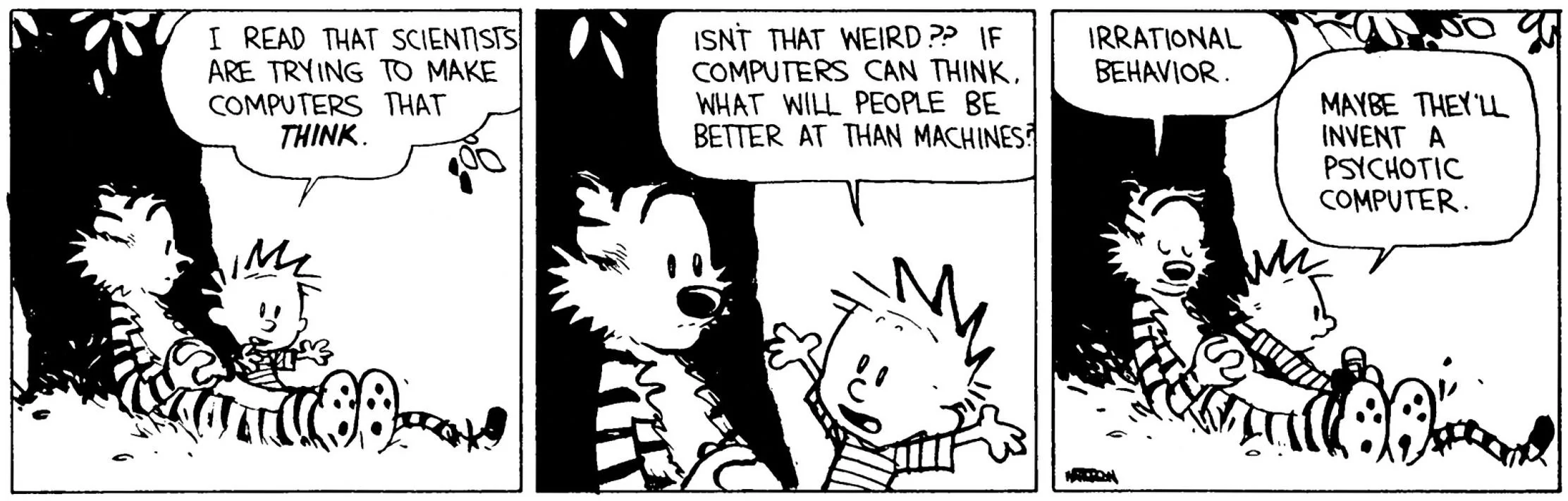
We write. We teach. We fumble. We laugh. We adapt. We put the human back in humanities. Because while AI can simulate insight, only humans can turn existential dread into a well-timed joke or a lesson plan that somehow ends with Dead Poets Society.
Use the ghost in the machine. But don’t forget—it’s your fingerprints on the keyboard that make the words come alive.
Smile. The bots are watching.
 comically
Leave a comment